Top 7 Texas Pond Myths—Busted!
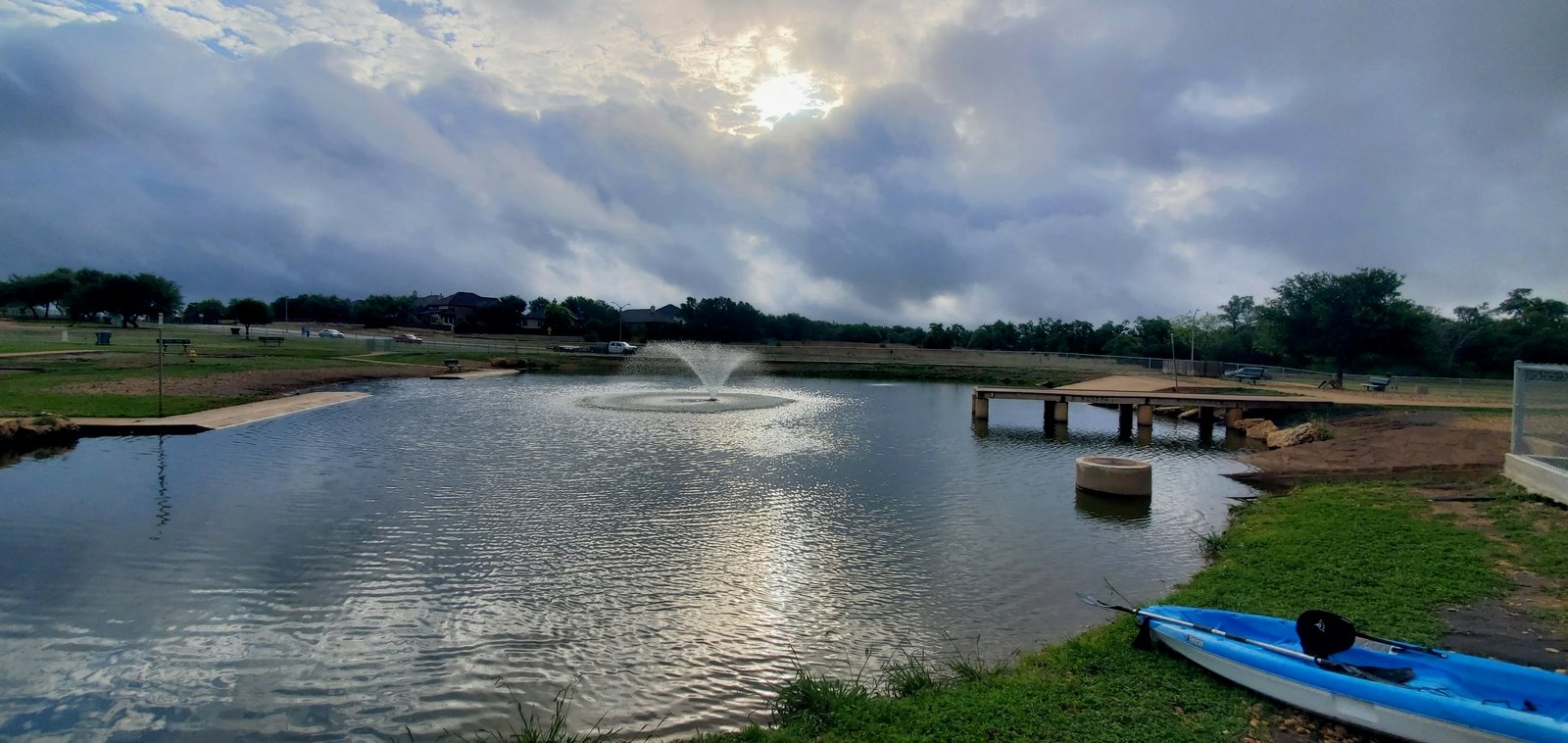
When it comes to pond and lake management in San Marcos, Texas and surrounding Central Texas communities like New Braunfels, Kyle, Buda, and Seguin, misinformation can lead to costly mistakes. From rural ranch ponds to HOA lakes and stormwater detention ponds, many property owners rely on outdated assumptions that actually worsen water quality over time.
Understanding what’s true, and what’s not, can help protect your waterbody, reduce long-term maintenance costs, and prevent issues like algae blooms, sediment buildup, and premature dredging.
Here are the top myths about pond and lake management in the San Marcos region—busted.
Myth #1: Clear Water Means a Healthy Pond
One of the most common misconceptions in Central Texas pond management is that clear water equals a healthy ecosystem. In reality, water clarity does not reflect nutrient balance, oxygen levels, or sediment conditions.
Many ponds in the San Marcos area may look clean on the surface while still experiencing low dissolved oxygen, excess nitrogen and phosphorus from runoff, and organic buildup on the bottom. These hidden issues often lead to sudden algae blooms or fish stress during hot Texas summers.
Regular monitoring and proactive pond maintenance are essential for identifying problems before they become expensive restoration projects.
Myth #2: Algae Is Only a Cosmetic Issue
In warm climates like Central Texas, algae growth is especially common, but it is far more than just an aesthetic concern.
Excessive algae in ponds can create oxygen imbalances, especially when blooms die off and decompose. This process pulls oxygen from the water and can lead to fish kills, foul odors, and poor water quality.
Certain types of algae, including blue-green algae (cyanobacteria), can also pose health risks to pets and wildlife. Effective algae management should always address nutrient sources such as runoff, fertilizers, and sediment, not just surface symptoms.
Myth #3: Aeration Is Only for Decorative Fountains
Many pond owners in the Hill Country believe fountains are enough to keep water healthy. While fountains improve surface appearance and circulation, they do not provide full-depth oxygen distribution.
True aeration systems are especially important in Texas ponds due to high summer temperatures and heavy nutrient loads from stormwater runoff. Aeration helps circulate oxygen throughout the entire water column, reduce stratification, improve fish habitat, and limit organic muck buildup.
For ponds in Central Texas, aeration is often one of the most effective long-term water quality solutions.
Myth #4: Dredging Is the Only Way to Fix Sediment Problems
Sediment buildup is common in Central Texas ponds due to erosion, stormwater runoff, and decaying vegetation. However, dredging is not always the first or only solution.
While dredging may be necessary for severely impacted ponds or lake systems, many waterbodies in the San Marcos area can benefit from preventative management strategies that slow sediment accumulation.
Shoreline stabilization, watershed management, beneficial bacteria treatments, and aeration systems can all help reduce organic muck buildup and extend the lifespan of a pond before dredging becomes necessary.
Myth #5: Stormwater Ponds Don’t Need Regular Maintenance
Stormwater ponds throughout Texas are often overlooked because they are designed for drainage and water capture. However, they are required to function properly to meet local and state stormwater regulations.
Without routine maintenance, stormwater ponds can quickly lose capacity due to sediment buildup and excessive vegetation. This can lead to flooding issues, reduced water quality, and potential compliance violations for HOAs, commercial properties, and municipalities.
Regular inspections, sediment removal planning, and vegetation management are critical for maintaining performance and avoiding costly fines or repairs.
Myth #6: More Chemical Treatments Solve the Problem Faster
It’s a common belief that increasing chemical treatments will quickly fix algae or weed issues. In reality, over-treatment can make pond problems worse, especially in warm Texas climates.
Excessive herbicide or algaecide use can lead to rapid vegetation die-off, which increases organic decomposition and reduces oxygen levels. This can trigger fish stress or even fish kills, particularly during peak summer heat in Central Texas.
Successful pond management requires a balanced, integrated approach that focuses on nutrient control, aeration, and long-term ecosystem health.
Myth #7: Pond Problems in Texas Will Fix Themselves
In regions like San Marcos and the surrounding Hill Country, pond issues typically worsen over time without intervention. High temperatures, seasonal storms, and nutrient runoff all accelerate algae growth, sediment buildup, and water quality decline.
Left unmanaged, small issues can quickly turn into costly dredging projects, restoration efforts, or compliance problems for stormwater systems.
The Truth About Pond Management in San Marcos, TX
Effective lake and pond management in Central Texas requires proactive care, not reactive fixes. Whether you manage a ranch pond, HOA lake, or stormwater system in San Marcos, New Braunfels, Kyle, or nearby areas, understanding the real causes of water quality issues is the first step toward long-term success.
At Johnson Lake Management, we provide science-based pond and lake management solutions designed for Texas water conditions. Our services help improve water quality, control algae and aquatic weeds, support stormwater compliance, and reduce the need for costly dredging in the future.
About Johnson Lake Management — A Jones Lake Management Partner
Johnson Lake Management provides comprehensive, science-based lake and pond management services across Texas. Based in San Marcos, TX, we deliver sustainable solutions to improve water quality, control aquatic vegetation and algae, and maintain healthy, attractive waterbodies. As a Jones Lake Management Partner, we offer services including water quality monitoring, aeration systems, fisheries management and fish stocking, invasive species control, shoreline stabilization and restoration, sediment management and hydraulic dredging, wetland management, and habitat enhancement. We serve HOAs, municipalities, golf courses, commercial properties, and private lake owners with customized, results-driven programs designed for long-term ecological health. Visit us at www.johnsonlakemgt.com
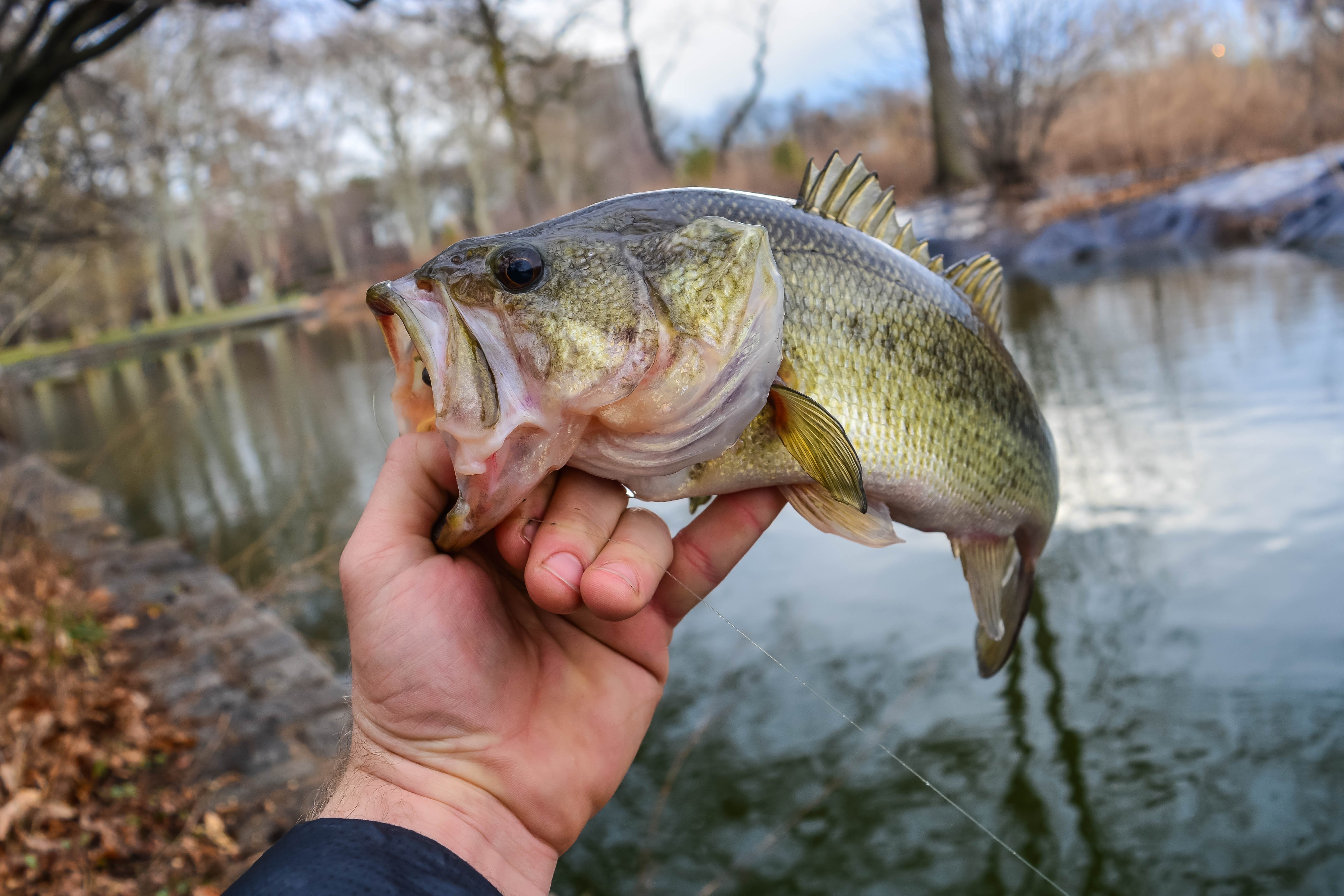
Science-driven solutions for Texas lakes and ponds. Discover how our fisheries biologists can take your pond to the next level.